

What makes adventure photography in Japan so captivating is not just the scenery, but the way every outing tests your skills and creativity all at once. For American photographers looking to grow, guided tours through Japan’s cultural sites deliver both challenge and opportunity. Blending physical exploration with authentic storytelling, these experiences call you to master your camera while engaging deeply with unfamiliar traditions, all in ever-changing natural and urban environments.
Table of Contents
- Defining Adventure Travel For Photography
- Popular Adventure Travel Styles In Japan
- Key Skills And Preparation For Participants
- Legal, Safety, And Cultural Considerations
- Costs, Risks, And Common Pitfalls
Key Takeaways
| Point | Details |
|---|---|
| Adventure Photography Focuses on Immersion | Engage deeply with environments and cultures rather than visiting them superficially. This approach enhances storytelling and discovery through photography. |
| Preparation is Key for Success | Physical fitness, equipment mastery, and mental readiness are essential for managing unexpected challenges in adventure photography. |
| Japan Offers Unique Adventure Opportunities | Explore diverse landscapes and cultural experiences that test technical skills across various environments. Be intentional in your approach to maximize outcomes. |
| Respect Legal and Cultural Norms | Understand and adhere to local customs, legal requirements, and environmental responsibilities to ensure a positive experience for both yourself and the communities you engage with. |
Defining Adventure Travel for Photography
Adventure travel for photography isn’t just tourism with a camera. It’s a deliberate combination of physical exploration, creative challenge, and authentic storytelling that pushes your technical and artistic skills simultaneously.
What separates adventure photography from standard travel photography? The answer lies in intentionality and immersion. You’re not visiting a location to check it off a list—you’re actively engaging with unfamiliar environments, cultures, and conditions to capture moments that reveal deeper truths about the places and people you encounter.
Understanding the Core Elements
Adventure tourism encompasses activities that demand both physical and mental engagement with novel challenges in natural or built environments. For photographers, this means:
- Traveling to remote or challenging locations that require specific preparation
- Adapting your camera work to dynamic, unpredictable conditions
- Building skills and fitness needed to reach compelling visual opportunities
- Engaging with communities and landscapes authentically rather than superficially
These elements transform photography from passive observation into active participation. You’re not standing safely behind a velvet rope—you’re in the middle of the action.
The Photography-Specific Difference
Adventure travel photography captures unscripted moments that convey genuine human connection and cultural authenticity. This genre demands adaptability across changing light, weather, and access conditions while maintaining creative vision.
Key characteristics that define this approach:
- Spontaneity balanced with technical precision
- Focus on human stories and cultural narratives
- Mastery of natural light in unpredictable environments
- Quick decision-making when moments happen unexpectedly
Unlike staged portrait sessions or controlled studio work, adventure photography rewards photographers who remain mentally present and technically ready. The best images often emerge when you’ve anticipated possibilities while staying flexible enough to capture the unexpected.
Adventure photography succeeds when you stop trying to control the moment and instead position yourself to recognize and capture it when it arrives.
Why American Photographers Choose This Path
American photographers increasingly seek adventure travel because it offers genuine challenges absent from local photography. Japan specifically provides dramatic terrain, rich cultural traditions, and photographic opportunities that test both your camera skills and your ability to navigate unfamiliar contexts.
This approach rewards photographers who view their trips as learning experiences, not just vacation photo collections. You return home with stronger technical abilities, deeper cultural understanding, and images that tell meaningful stories.
Pro tip: Start mentally preparing before your trip by studying light patterns in Japan’s seasonal changes and researching the cultural significance of locations you’ll photograph—this context enriches both your images and your adventure experience.
Popular Adventure Travel Styles in Japan
Japan offers far more adventure photography opportunities than most American photographers initially realize. The country’s combination of dramatic landscapes, cultural richness, and seasonal variety creates distinct adventure styles that match different skill levels and artistic interests.
Here is a summary of major adventure travel styles for photography in Japan and their unique features:
| Adventure Style | Distinguishing Landscape | Technical Challenge | Cultural Element |
|---|---|---|---|
| Mountain & Peak | Volcanic peaks, alpine | High-altitude shooting | Rituals at mountain sites |
| Historical Route Trek | Dense forests, temples | Light in canopy | Pilgrim traditions |
| Winter/Seasonal | Snowfields, blossoms | Snow exposure, color | Seasonal festivals |
| Coastal & Water | Beaches, surf | Saltwater camera care | Local fishing culture |
Mountain and Peak Adventures
Climbing iconic peaks represents one of the most popular adventure styles. Mount Fuji climbing attracts thousands annually, and photographically, it rewards patience and early morning positioning. The mountain’s symmetrical cone, alpine meadows, and sunrise conditions create powerful visual narratives.
Beyond Fuji, Japan’s volcanic peaks offer dramatic terrain and constantly changing light. These experiences demand:
- Physical conditioning for high-altitude photography
- Gear management on steep terrain
- Adaptation to rapidly shifting weather conditions
- Technical skill in low-light and extreme conditions
The challenge isn’t just reaching the summit—it’s creating compelling images while managing fatigue and unpredictable mountain weather.
Historical Route Trekking
Trekking ancient pilgrimage routes like Kumano Kodo combines physical adventure with cultural immersion. These paths wind through dense forests, cross remote valleys, and connect sacred temples that have drawn pilgrims for centuries.
For photographers, these routes offer:
- Authentic cultural encounters with local communities
- Forest canopy challenges requiring creative light management
- Sacred architectural subjects with spiritual context
- Opportunities to document contemporary pilgrimage traditions
Walking these routes teaches you patience and observation—qualities that directly improve your photography.
Winter and Seasonal Adventures
Hokkaido’s backcountry skiing and snowshoeing transform Japan into an entirely different photographic landscape. Pristine snow, winter light, and sparse human presence create minimalist compositions impossible to find in urban areas.
Seasonal styles include:
- Snow photography requiring exposure adjustment and white balance mastery
- Cherry blossom cycling tours combining movement and botanical subjects
- Autumn leaf hiking when Japan becomes a color laboratory
Seasonal adventures force photographers to master new technical skills while capturing Japan’s dramatic transformations throughout the year.
Coastal and Water Adventures
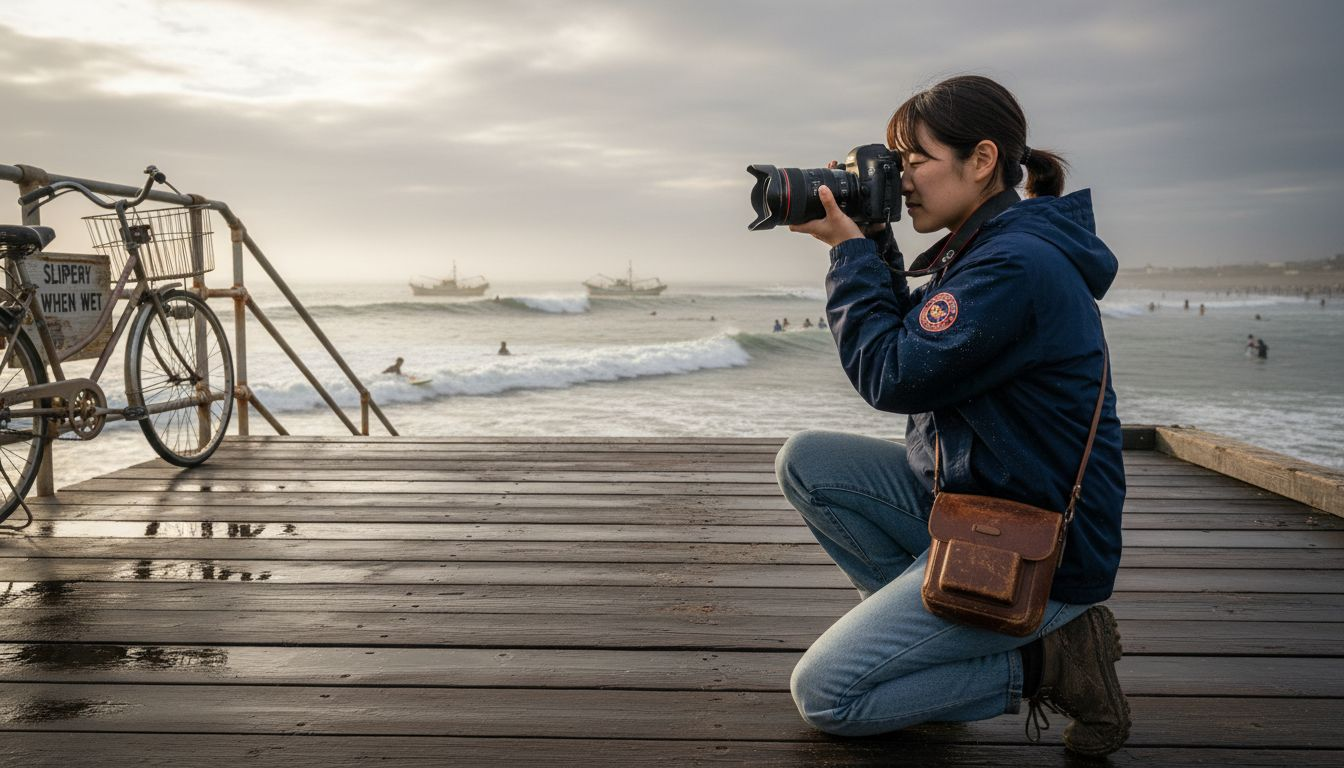
Surfing coastal areas like Shonan beach introduces dynamic movement and environmental challenges. Photographing from the water, managing saltwater conditions, and capturing action in variable light demands specialized approaches unavailable in landscape or portrait work.
Pro tip: Choose your adventure style based on the season you’re traveling—spring for blossom cycling, autumn for leaf hiking, winter for snow photography—and you’ll maximize both your technical learning and your creative results.
Key Skills and Preparation for Participants
Successful adventure photography in Japan requires more than owning a good camera. You need a combination of physical conditioning, technical skills, mental preparation, and practical knowledge that develops over time through intentional training.
Physical and Technical Fitness
Physical fitness tailored to activity demands forms the foundation of safe adventure travel. Hiking steep mountain terrain while carrying camera gear demands cardiovascular endurance and muscular strength that casual photography doesn’t require.
You’ll need fitness in these specific areas:
- Leg and core strength for uneven terrain and extended treks
- Shoulder and back conditioning to manage heavy camera bags
- Cardiovascular endurance for high-altitude environments
- Balance and stability on slippery or rocky surfaces
Start conditioning three months before your trip. This timeline allows your body to adapt without risking injury.
Equipment Mastery and Resource Management
Equipment familiarity and efficient gear use directly impact your success in unpredictable conditions. You can’t spend 30 minutes figuring out camera settings when light is changing rapidly on a mountainside.
Practical preparation includes:
- Testing all gear in varied weather conditions before traveling
- Practicing quick lens changes in cold or wet environments
- Understanding your camera’s menus and settings by memory
- Planning gear weight distribution for comfortable carrying
Know your equipment so well that you operate it without thinking. This frees your mind for composition and storytelling.
Decision-Making Under Pressure
Decision-making skills under stress separate good adventure photographers from frustrated ones. Weather changes suddenly. Light windows close in minutes. Group dynamics create timing pressures.
Develop these mental skills:
- Recognizing when conditions favor certain shots
- Choosing between technical perfection and authentic moments
- Managing frustration when weather prevents your planned shots
- Staying present when exhaustion sets in
The best adventure photographers make quick decisions confidently, knowing they can’t control conditions—only their response to them.
Environmental Awareness and Cultural Sensitivity
Understanding Japan’s environment means more than knowing weather patterns. You need awareness of seasonal changes, wildlife behavior, and sacred cultural sites. Trespassing on private temple grounds or disturbing nesting birds destroys both your opportunity and your integrity.
Research before traveling:
- Local customs at temples and shrines
- Protected natural areas and access restrictions
- Wildlife behavior during specific seasons
- Weather patterns and seasonal hazards
Mental Readiness and Resilience
Adventure travel tests your mental resilience as much as your physical fitness. Plans fail. Gear breaks. Weather prevents your dream shot. Adaptive learning means adjusting expectations while maintaining creative motivation.
Prepare mentally by:
- Accepting that some trips won’t deliver expected results
- Finding creative alternatives when original plans fail
- Building resilience through smaller adventures first
- Viewing challenges as learning opportunities rather than failures
Pro tip: Start with a guided photography tour in Japan before attempting solo adventures—guided experiences teach you how the environment actually behaves while building confidence and technical skills in real conditions.
Legal, Safety, and Cultural Considerations
Adventure photography in Japan demands attention to legal requirements, safety protocols, and cultural respect. These aren’t bureaucratic obstacles—they’re essential foundations that protect you, local communities, and the environments you’re photographing.
Safety Frameworks and Risk Management
Safety protocols implemented by operators include certified guides, emergency response plans, and participant briefings designed to minimize risk. When booking guided photography tours, verify that operators maintain documented risk assessments and follow national safety standards.
Essential safety elements include:
- Certified guides with wilderness first aid training
- Pre-trip weather and terrain assessments
- Clear communication about physical demands
- Emergency communication and evacuation plans
- Regular equipment safety checks
Don’t skip these details. A certified guide isn’t an inconvenience—it’s insurance that you’ll return home safely.
Legal Requirements and Liability
Informed consent, liability waivers, and insurance coverage form the legal foundation of adventure travel. Before traveling, you’ll sign waivers acknowledging inherent risks. This protects both you and operators legally.
Handle these steps:
- Read all waivers completely before signing
- Understand what injuries your travel insurance covers
- Verify your health insurance extends to international travel
- Document any pre-existing conditions that operators should know
- Keep copies of all documentation at home
Don’t treat waivers as formalities. They define your legal protections.
Cultural Competence and Community Respect
Cultural competence involves understanding and honoring local norms, language barriers, and ethical interactions with host communities. Photography in sacred spaces like temples requires permission and behavioral respect that differs from photographing public landmarks.
Practical cultural awareness includes:
- Learning basic Japanese phrases showing respect
- Understanding shrine and temple photography rules before entering
- Asking permission before photographing people or families
- Respecting seasonal rituals and private ceremonies
- Compensating local guides and porters fairly
Genuine cultural respect transforms your photography from documentary observation into collaborative storytelling with the communities you’re visiting.
Environmental Stewardship
Japan’s protected natural areas maintain strict access rules. Staying on marked trails, removing all trash, and avoiding wildlife disturbance aren’t suggestions—they’re legal requirements that preserve the environments you came to photograph.
Environmental responsibility means:
- Using established trails even when off-trail shots look tempting
- Packing out all gear, food waste, and film packaging
- Maintaining safe distances from wildlife and nesting areas
- Avoiding photography in restricted zones and private land
- Supporting local conservation efforts through tour operator selection
Pre-Trip Legal Preparation
Handle these administrative tasks before traveling:
- Register your trip with your embassy online
- Verify your passport validity extends six months beyond your return date
- Check visa requirements for American citizens visiting Japan
- Obtain travel insurance with adventure activity coverage
- Document your camera serial numbers and purchase receipts
Pro tip: Choose tour operators who employ local guides and contribute to community development—this ensures your photography experience directly supports the people and places you’re photographing while meeting ethical tourism standards.
Costs, Risks, and Common Pitfalls
Adventure photography trips to Japan require honest conversation about expenses, realistic risk assessment, and awareness of mistakes that derail even well-intentioned photographers. Understanding these realities helps you budget properly and avoid preventable failures.
Understanding True Costs
Adventure travel costs vary depending on activity type, location, and support services, ranging from minimal to substantial financial outlays. A guided photography tour differs dramatically from solo budget travel.
Typical expense categories include:
- Guided tour fees (typically $2,000 to $5,000 for week-long trips)
- International airfare from the United States ($800 to $1,500)
- Travel insurance with adventure activity coverage ($150 to $300)
- Specialized gear purchases or rentals ($500 to $2,000)
- Permits for protected areas and temple access ($50 to $200)
- Meals, lodging, and ground transportation ($100 to $200 daily)
Budget realistically. Underfunding a trip creates stress that destroys creativity.
Physical and Environmental Risks
Hiking at altitude, carrying heavy camera equipment, and navigating unfamiliar terrain create physical injury risks. Weather changes rapidly in mountains. Slippery surfaces cause falls. Dehydration and altitude sickness sneak up on unprepared photographers.
Common physical hazards include:
- Acute mountain sickness above 8,000 feet elevation
- Twisted ankles and falls on loose terrain
- Hypothermia from rapid weather deterioration
- Heat exhaustion during lower-altitude summer treks
- Camera equipment injuries from drops or impacts
Common Pitfalls That Damage Trips
Underestimating demands, inadequate preparation, and neglecting safety protocols consistently derail adventure photographers. These aren’t bad luck—they’re preventable mistakes.
Compare common pitfalls and recommended solutions for adventure photography trips to Japan:
| Pitfall | Consequence | Prevention Strategy |
|---|---|---|
| Late physical preparation | Injury, poor performance | Train 3 months in advance |
| Overpacked gear | Fatigue, missed shots | Minimize, prioritize gear |
| Ignoring weather forecasts | Dangerous conditions | Regular forecast checks |
| Neglecting equipment backup | Lost images, downtime | Carry spares and insurance |
Where photographers stumble:
- Starting conditioning too late to build adequate fitness
- Carrying too much gear, leading to exhaustion and poor photos
- Ignoring weather forecasts and hiking in dangerous conditions
- Neglecting to charge batteries before multi-day treks
- Skipping meals to maximize shooting time
- Attempting technical terrain exceeding your actual skill level
The most successful photographers acknowledge their limitations honestly rather than ego-driving into situations that compromise safety or creativity.
Poor Risk Assessment and Skill Mismatches
Many photographers overestimate their physical abilities or underestimate activity difficulty. A guide description of “moderate hiking” means different things to different people. Verify exactly what physical demands you’ll face before committing.
Assess your actual capabilities:
- Can you hike 10 miles daily over consecutive days?
- Do you have experience with high-altitude environments?
- Can you carry 15-20 pounds for six hours without stopping?
- Have you navigated terrain similar to what the trip involves?
Logistical and Equipment Failures
Technical equipment fails in ways home photography never tests. Batteries drain faster in cold. Memory cards corrupt. Lenses fog in humidity transitions. Camera bodies malfunction after drops or water exposure.
Prevent equipment disasters:
- Bring duplicate batteries and chargers
- Pack backup memory cards and external drives
- Test all gear in conditions similar to your trip
- Insure expensive equipment against theft and damage
- Keep manufacturer contact information for warranty claims
Pro tip: Budget an additional 15% beyond your estimated costs for unexpected expenses, emergency gear replacement, or unplanned guide services—this cushion prevents financial stress when opportunities or problems arise.
Take Your Adventure Photography Skills to Japan with Expert Guidance
Adventure travel photography challenges you with unpredictable conditions, physical demands, and the need for quick creative decisions. If you are seeking to overcome these challenges while capturing Japan’s iconic landscapes and cultural moments, you deserve a photography trip designed to build your skills and confidence. Embrace the opportunity to develop your technical mastery and storytelling ability in real adventure settings by joining meticulously crafted tours focusing on cities like Kyoto, Osaka, Nara, and Tokyo.

Discover how our Japan Photography Tours provide the physical preparation, cultural insights, and expert support necessary to navigate mountain paths, historic routes, seasonal wonders, and coastal scenes. Don’t let uncertainty or lack of specialized guidance hold you back. Take the next step and transform your photography with a tour that matches your passion for adventure and artistry. Explore all the details and book your place now at https://minodivita.com/japan-photography-tours.
Frequently Asked Questions
What defines adventure travel photography?
Adventure travel photography combines physical exploration, creative challenges, and authentic storytelling to capture deeper truths about locations and cultures.
What skills do I need for adventure photography?
Key skills include technical photography proficiency, physical fitness for challenging terrain, adaptable decision-making under pressure, and cultural sensitivity.
How should I prepare my equipment for adventure photography?
Familiarize yourself with your gear, practice using it in varied conditions, and pack efficiently to minimize weight while ensuring you have backups for critical components like batteries and memory cards.
What are some common risks associated with adventure photography?
Common risks include physical injuries from navigating challenging terrains, unpredictable weather conditions, equipment failures, and the possibility of missing important photographic moments due to inadequate preparation.
